لطفا منتظر بمانید ...
0% Complete
صفحه اصلی
/
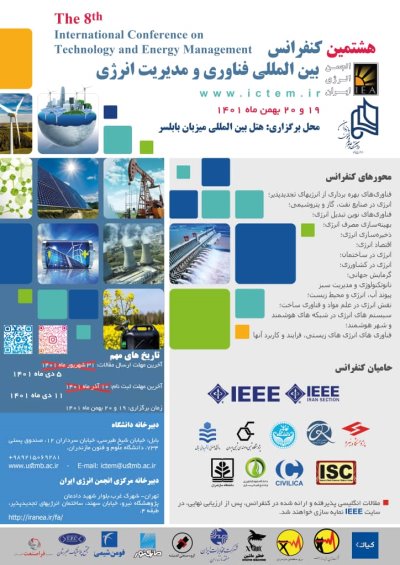
هشتمین کنفرانس بین المللی فناوری و مدیریت انرژی
Investigating the Impacts of Electric Vehicles on Iran's Distribution Network
نویسندگان :
Peyman Zare
1
Iraj Faraji Davoudkhani
2
Rasoul Zare
3
Hossein Ghadimi
4
Bakhshali Sabery
5
Ahad Babaei Bork Abad
6
1- دانشگاه محقق اردبیلی
2- دانشگاه محقق اردبیلی
3- شرکت توزیع نیروی برق اردبیل
4- شرکت توزیع نیروی برق اردبیل
5- شرکت توزیع نیروی برق اردبیل
6- شركت برق منطقهای آذربايجان
کلمات کلیدی :
Iran's Distribution Network،Electric Vehicles،Electric Vhicles Charging Stations،Home Charging
چکیده :
With the increased air pollution and the decrease in fossil fuel reserves, much attention has been paid to Electric Vehicles (EVs) in recent years. Electric vehicles are an essential option for reducing emissions of greenhouse gases. Electric vehicles reduce the dependency on fossil fuels, diminish ozone-depleting substances' impact, and promote large-scale renewable deployment. Even though comprehensive research on the attributes and characteristics of electric vehicles and the nature of their charging infrastructure, electric vehicle production and network modeling continue to evolve and be constrained, considering the importance of new technologies in global development, EVs in electricity distribution systems will become more widespread in the coming years. In this article, first, the necessity and challenges of using EVs in distribution networks are examined. Then, with a brief look at the types of EVs and power electronic equipment used and the problems caused by their connection to the electricity distribution networks during charging, the location of the charging stations will be examined from the two perspectives of process and technology. Finally, we will briefly examine the development process of EV in Iran and their mutual effects on Iran's distribution network
لیست مقالات
لیست مقالات بایگانی شده
برنامه ریزی تصادفی فرایند بازیابی سیستم های قدرت در حضور نیروگاههای خورشیدی
سجاد نجفی روادانق - پویا سلیانی - حمیدرضا فیروزی - عادل محسنی - نیما نصیری
Electrifying a Recreational Island and Electric Boats Using Solar PV Systems: A Case Study on Hormuz Island
Armin Bagherian - Mehdi Hasanpour Nordoz - Mohammad Mohsen Hayati - Mehdi Abapour - Morteza Nazari-Heris
ارزیابی مقایسهای دو نوع توربولاتور ستارهای بر عملکرد یک کلکتور خورشیدی سهموی
فرهاد وحیدی نیا - سیده محدثه میری
MPC Controller Design for Variable Speed Wind Turbines in the presence of Actuator Faults
Hadi Azmi
تحلیل نوآورانه روشهای قیمتگذاری پویا در مبادله توان همتا به همتا میان میکروگریدها با رویکرد شبکههای هوشمند و بهینهسازی بهرهوری انرژی
سارا حیدری - محمدامین قاسمی - علیرضا حاتمی
طراحی بهینه بخش تولید و ذخیرهسازی انرژی زیرسیستم توان الکتریکی ماهواره چندمنظوره زلزلهشناسی
غلامرضا فراهانی
Fault Ride Through Enhancement Methods in Wind Energy Systems: A Brief Review
Sepideh Asadimanesh - Hassan Moradi
بررسی و طراحی فیلتر LCL با میرا کننده پسیو بهینه برای اینورترهای متصل به شبکه قدرت
محمدرضا صالحی راد - میترا میرحسینی
Losses calculation of a two-input Boost Converter for Renewable Energy Applications
Mohammad Afkar - Mohammad Amin Razmjou - Roghayeh Gavagsaz-Ghoachani - Matheepot Phattanasak - Serge Pierfederici
برنامهریزی توسعه همزمان تجهیزات شبکه توزیع و منابع انرژی پراکنده با در نظر گرفتن عدم قطعیتهای منابع
میلاد کبیری فر - محمود فتوحی فیروزآباد - معین معینی اقطاعی - نیلوفر پورقادری
بیشتر
ثمین همایش، سامانه مدیریت همایش ها و جشنواره ها - نگارش 44.12.4